How to Choose the Perfect Slim Kitchen Island for Small Spaces?
Choosing the right slim kitchen island for your small space can feel overwhelming. The slim kitchen island is a functional addition. It offers extra workspace without crowding your kitchen. However, not all slim islands are created equal. Some might be too tall or too wide for your specific needs.
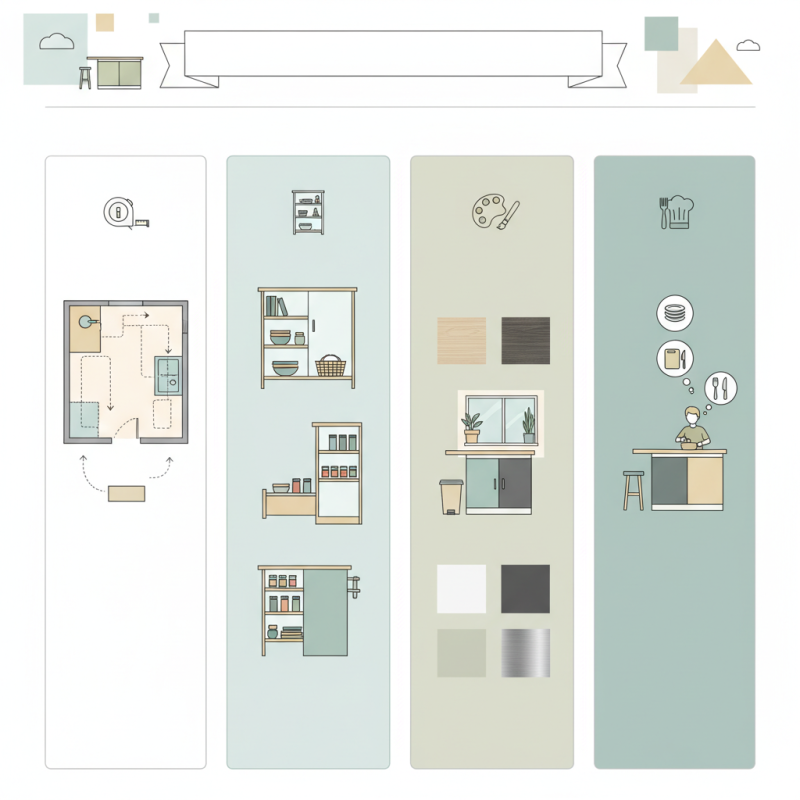
Think about your kitchen layout. Take measurements carefully before shopping. A well-chosen slim kitchen island can enhance flow and accessibility. Yet, a poor fit can disrupt the harmony of your space. Look for designs that maximize storage but remain compact. Keep in mind that aesthetics matter too. The color and finish should complement your kitchen decor.
Remember, ideal choices often require trial and error. You may need to adjust your expectations based on what’s available. Reflect on your cooking habits. What do you need most? Storage, prep space, or seating? These questions will guide you. Ultimately, the perfect slim kitchen island must fit your style and lifestyle.
Understanding the Benefits of Slim Kitchen Islands in Small Spaces
Slim kitchen islands are perfect for small spaces. They maximize functionality while minimizing the footprint. These islands serve as multi-purpose workspaces, storage areas, and dining spots. A slim design allows easy movement around the kitchen. It can transform a congested area into an efficient work zone. Adding a slim island can create a focal point without overwhelming the space.
One major benefit of slim kitchen islands is their versatility. They can fit into tight corners or narrow layouts. You can add shelves or cabinets underneath for extra storage. Consider open shelving for easy access to cookbooks or decorative items. However, a common challenge is finding the right height. Some homeowners may struggle to choose between counter-height or bar-height options. This decision often impacts the overall kitchen flow.
Incorporating colors and materials is another consideration. Light tones can help create an illusion of space, while darker shades may add elegance. Yet, it’s essential to ensure that the island complements existing decor. An improperly matched island can disrupt the harmony of your kitchen. Balancing aesthetics with functionality requires careful thought, but the outcomes can be rewarding.
How to Choose the Perfect Slim Kitchen Island for Small Spaces?
| Feature |
Description |
Benefits |
| Size |
Slim dimensions allowing for efficient use of space |
Maximizes functionality without overwhelming the area |
| Storage |
Includes shelving and cabinet space |
Helps reduce kitchen clutter, keeping essentials organized |
| Style |
Variety of modern and classic designs available |
Enhances aesthetic appeal and complements kitchen decor |
| Versatility |
Can serve as a dining area, prep space, or workstation |
Adapts to multiple functions, increasing utility |
| Mobility |
Some models feature wheels or lightweight designs |
Easily repositioned for flexible kitchen arrangements |
| Material |
Available in wood, metal, and composite builds |
Durability and maintenance options vary by material |
Key Features to Consider When Choosing a Slim Kitchen Island
When selecting a slim kitchen island for compact spaces, focus on functionality and style. A slim design fits neatly without overwhelming your kitchen. Look for versatile features such as built-in storage. Cabinets or shelves create extra space for your utensils and cookware. Choose materials that are not only aesthetically pleasing but also resilient to wear and tear.
Picture a sleek island with a wooden top. It provides warmth and contrast against modern cabinetry. The right height is essential too. Standard heights are usually 36 inches, but variations exist for seating preferences. A slight adjustment can cater to your needs, whether you seek a preparation space or a casual dining area.
Tip: Measure your space before finalizing your island choice. This ensures you avoid awkward gaps or overcrowding. Lighting can also transform the feel of your kitchen. Consider pendant lights above the island. This creates an inviting atmosphere without taking up floor space. Reflect on how the island's layout will impact movement and flow within the kitchen.
Design Styles for Slim Kitchen Islands: Finding Your Perfect Match
When selecting a slim kitchen island, the design style should reflect your personality and home aesthetics. A minimalist design creates a clean, sophisticated look. It is ideal for small spaces, where clutter can easily accumulate. Opt for light colors and sleek lines. These elements make the area appear larger and more open.
Rustic designs add warmth and character. Textured wood surfaces can create a cozy atmosphere. However, ensure the material is durable and easy to maintain. A rustic island may require more effort to keep clean. Consider open shelving to showcase stylish dishes, but be mindful of not overcrowding the space.
Tips: Embrace multifunctionality. Choose a slim island that doubles as a prep area and dining space. This practical approach maximizes utility. Incorporate adjustable height features for added adaptability. Remember, less is more. A clutter-free design can significantly enhance your kitchen's appeal.
Choosing the Perfect Slim Kitchen Island: Space Utilization by Design Style
Maximizing Functionality: Storage and Seating Options for Small Kitchens
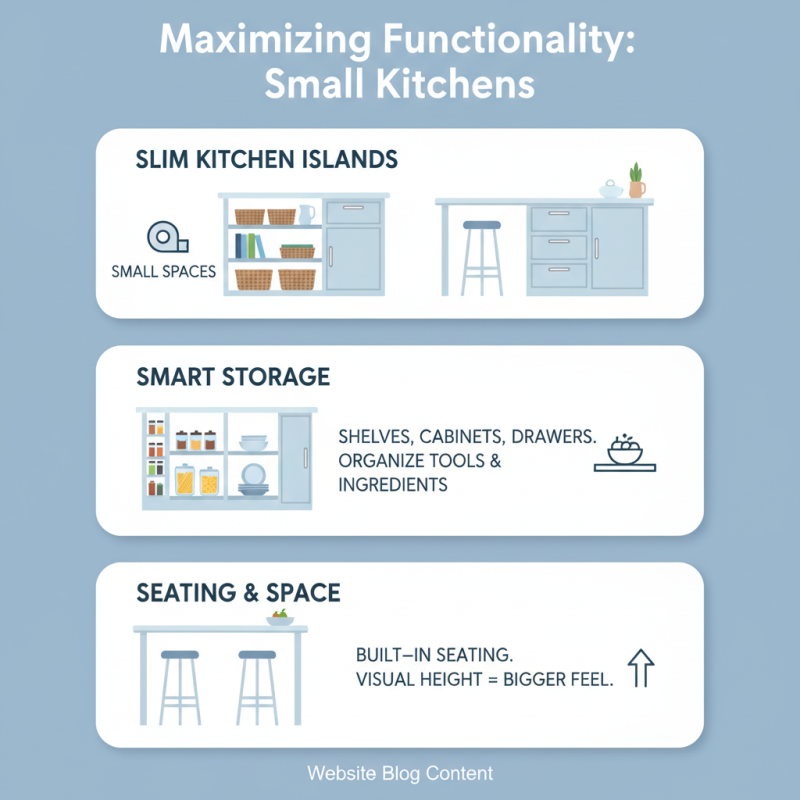
When selecting a slim kitchen island for small spaces, storage and seating are crucial. A practical design maximizes utility in limited areas. Consider islands with shelves, cabinets, or built-in drawers. These features provide essential storage for kitchen tools and ingredients, helping to keep surfaces clear. Open shelves can also create a sense of height, making the space appear larger and more inviting.
Seating options can further enhance functionality. Look for islands with integrated stools or collapsible seating. These options save space and can accommodate guests without overcrowding the kitchen. Some designs even allow for seating on one side, providing a cozy spot to enjoy meals or chat while cooking. However, balance is key. Too many features may overwhelm a small area and detract from the island's purpose.
Think about the layout carefully. A slim island should flow with your kitchen's design. If not thoughtfully integrated, it may seem forced or out of place. Be prepared to adjust your vision. Functionality shouldn't compromise style. A little imperfection in design can lead to unique solutions tailored to your needs. Reflect on your daily routine to make the best choices.
Material and Finish Choices for Slim Kitchen Islands in Compact Areas
Choosing materials and finishes for a slim kitchen island in a compact area can significantly enhance both functionality and aesthetics. Opting for lightweight materials, such as bamboo or engineered wood, can help maintain an airy feel. These options often come in various finishes, allowing you to match your kitchen's style while remaining practical. A gloss or satin finish is easier to clean and resist stains, perfect for busy kitchens.
Incorporating mixed materials can add depth to your slim island. For example, pairing a wooden top with metal legs introduces a modern, industrial vibe. Marble or stone surfaces offer luxury, yet they can be heavy. Sometimes, you might feel torn between durability and style. Remember that each material has its pros and cons. For instance, while stainless steel is durable, it may show fingerprints more easily. Choose finishes and materials that resonate with your cooking habits and personal taste.
Lighting plays a crucial role too. A finish that reflects light can make your space feel larger. Consider pendant lights that complement the island’s design. Small modifications can make a big difference. If you’re uncertain about your choices, explore samples first. It’s essential to visualize how various materials work together in your space. Don’t rush the process; a well-thought-out choice will serve you better in the long run.