What is a Kitchen Freestanding Cabinet and How to Choose One?
In modern kitchens, a Kitchen Freestanding Cabinet offers both functionality and style. This versatile piece of furniture can serve multiple purposes, from extra storage to a decorative focal point. Selecting the right cabinet is not merely about aesthetics; it also involves understanding its practical applications in your daily cooking routines.
Choosing a Kitchen Freestanding Cabinet can be daunting. There are various styles, materials, and sizes available on the market. A well-chosen cabinet should harmonize with your kitchen’s decor while meeting your storage needs. It’s crucial to consider the layout of your kitchen. Reflect on how the cabinet will be used and the space available. This reflection will guide your decision-making process.
Many people overlook the importance of quality when selecting a Kitchen Freestanding Cabinet. Investing in a reliable option can lead to long-term satisfaction. However, it’s easy to get swayed by trends, forgetting the fundamental purpose of the cabinet. Striking a balance between style and practicality is essential. An informed choice can transform your kitchen into a functional and inviting space.
What is a Kitchen Freestanding Cabinet?
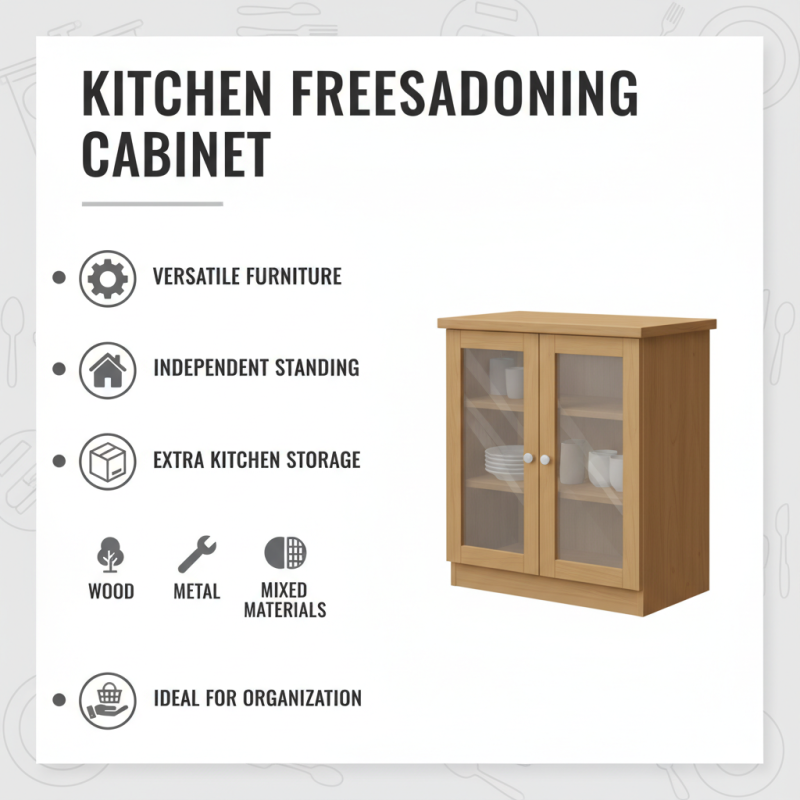
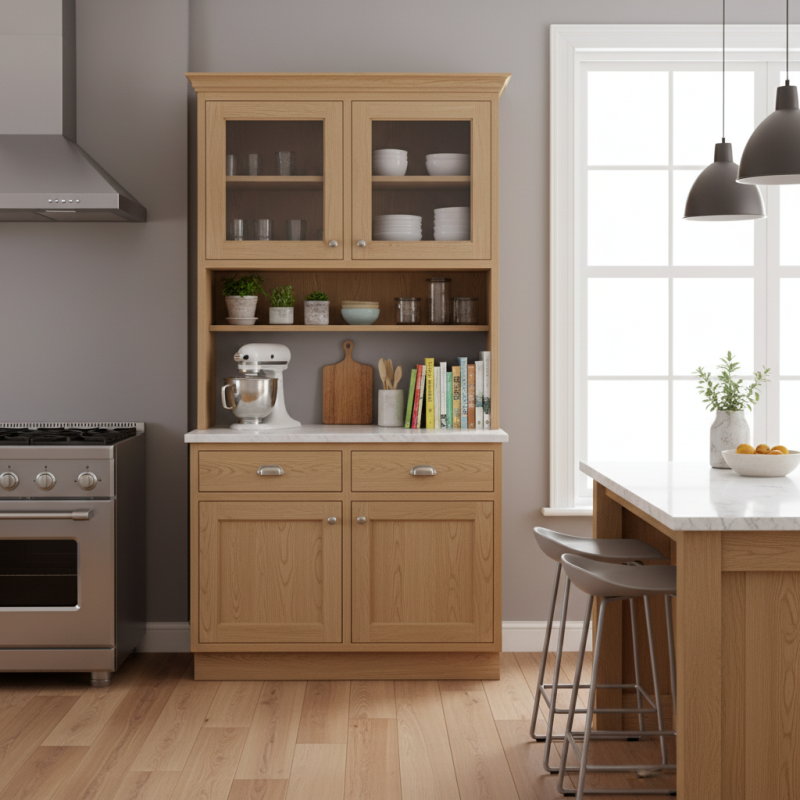
A kitchen freestanding cabinet is a versatile piece of furniture. It stands independently and provides extra storage in your kitchen. These cabinets come in various designs, sizes, and materials. They can be made of wood, metal, or a combination of both. Many homeowners find them ideal for organizing kitchen essentials.
Choosing the right cabinet requires careful consideration. First, assess your kitchen space. Measure the area where you want the cabinet. It's crucial to ensure it fits well without obstructing movement. Next, think about your storage needs. Do you need shelves, drawers, or both? Visualize how you plan to use the cabinet daily. This can save you time in the long run.
Another detail to ponder is the cabinet's style. It should complement your kitchen decor. A mismatched cabinet can feel out of place. Materials are also essential. While wood offers timeless elegance, metal can be sleek and modern. Quality matters too; a well-crafted cabinet will last longer. Don't rush the decision. Take time to reflect on your choices.
Key Features of Kitchen Freestanding Cabinets
When selecting a kitchen freestanding cabinet, understanding its key features is essential. These cabinets serve as multifunctional storage solutions. They often come with various designs, sizes, and finishes to meet different kitchen aesthetics. A report by the National Kitchen and Bath Association states that 85% of homeowners value storage options in their kitchens. This statistic highlights the importance of choosing a cabinet that fits both style and functionality.
One vital feature to consider is the material. Solid wood offers durability and a classic look, while laminate provides a modern finish and is often easier to clean. Many consumers may overlook the importance of choosing the right hardware. Quality handles and knobs can significantly enhance the cabinet's usability and appearance, as a recent study indicated that 70% of users prefer cabinets with easy-to-use hardware.
Lastly, taking measurements is crucial. Many people underestimate the space needed for a freestanding cabinet. A cabinet that fits well within your kitchen layout can maximize both usability and visual appeal. Understanding these elements can greatly impact the effectiveness of your kitchen storage solutions. It’s crucial to reflect on your specific needs during the selection process, as each choice influences the kitchen's overall functionality.
Key Features of Kitchen Freestanding Cabinets
Benefits of Using a Freestanding Cabinet in Your Kitchen
A freestanding cabinet is a versatile addition to any kitchen. It provides extra storage space for dishes, pots, and utensils. With various styles and designs, these cabinets enhance the kitchen’s aesthetic. They can fit into small corners or open spaces, making them functional without being fixed to the wall.
Using a freestanding cabinet can significantly improve organization. You can keep similar items together, reducing clutter. This setup allows easy access to your kitchenware. However, some may find it challenging to match these cabinets with existing decor. It requires thought and creativity to blend in seamlessly.
Another benefit is flexibility. A freestanding cabinet can be moved when needed. This adaptability is important in a dynamic home environment. It can also be a challenge to secure items during a move. So, take your time to strategize placements. Balancing functionality and style can lead to greater satisfaction in your kitchen space.
Factors to Consider When Choosing a Kitchen Freestanding Cabinet
Choosing a kitchen freestanding cabinet involves several important factors. Think about the size of your kitchen and the available space. It’s essential that the cabinet fits comfortably without blocking pathways or appliances. Consider how much storage you need. These cabinets come in various sizes and styles, so choose one that meets your requirements.
Material is another critical factor. Solid wood offers durability and a classic look. Laminate is often lighter and easier to clean. However, it may not be as sturdy. Assess how you plan to use the cabinet. Is it for extra storage, or do you want a display area for decorative items?
Aesthetics also play a significant role. The cabinet should complement your kitchen's design. Look for colors and finishes that match your decor. Additionally, check the construction quality. Inspect joints and hinges to ensure longevity. Your choice reflects not just functionality but also personal style. Make sure it feels right in your space.
What is a Kitchen Freestanding Cabinet and How to Choose One?
| Feature |
Description |
Considerations |
| Material |
Common materials include wood, laminate, and metal. |
Choose based on durability, easy maintenance, and appearance. |
| Size |
Available in various sizes to fit different kitchen spaces. |
Measure your space to ensure a good fit without crowding. |
| Style |
Includes modern, rustic, traditional, and contemporary styles. |
Select a style that complements your kitchen décor. |
| Storage Capacity |
Cabinets vary in the number of shelves and drawers. |
Assess your storage needs to avoid clutter. |
| Price |
Price ranges widely based on material and brand. |
Set a budget and explore options within that range. |
| Assembly |
Some cabinets come assembled, while others require assembly. |
Consider your DIY skills and available time. |
Styles and Materials for Kitchen Freestanding Cabinets
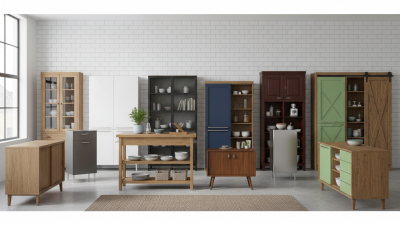
When it comes to choosing a kitchen freestanding cabinet, the variety of styles and materials can feel overwhelming. Popular styles include traditional, modern, rustic, and industrial. Each style offers unique aesthetics and functionality. Traditional cabinets often feature ornate details and rich wood finishes. Modern cabinets emphasize clean lines and minimalist design.
Materials play a crucial role in durability and appearance. Solid wood is timeless and sturdy, while metal offers a sleek, contemporary look. MDF is cost-effective and can mimic wood aesthetics, making it popular for budget shoppers. The finish matters too; a glossy finish can brighten a kitchen, while a matte finish provides a more understated elegance.
Tips: Think about your kitchen's overall theme. Choose a cabinet that complements your existing decor. Consider functionality as well. Does the cabinet have enough storage? Reflect on your needs and lifestyle. A cabinet should not only look good but also serve your daily routine effectively. Choosing wisely can enhance your kitchen's appeal for years to come.