Top 10 Kitchen Freestanding Cabinets for Global Buyers?
When it comes to enhancing kitchen storage, a well-chosen Kitchen Freestanding Cabinet can transform any space. These cabinets offer versatile solutions for organization, blending style and functionality. However, choosing the right cabinet can be overwhelming for buyers. The options are vast, covering various designs, sizes, and materials.
Some people might find it easy to select a cabinet that looks good. Yet, practicality plays a crucial role in making the right choice. Factors such as storage capacity, durability, and aesthetics must align with your kitchen’s theme. It’s essential to assess your needs carefully.
For many, a Kitchen Freestanding Cabinet serves as an anchor in the kitchen. It can store essentials or display decorative items. While the visual appeal is important, the cabinet must also withstand daily use. Reflecting on these aspects will ensure that your investment is worthwhile and meets your functional requirements.
Top Features to Consider When Choosing a Freestanding Kitchen Cabinet
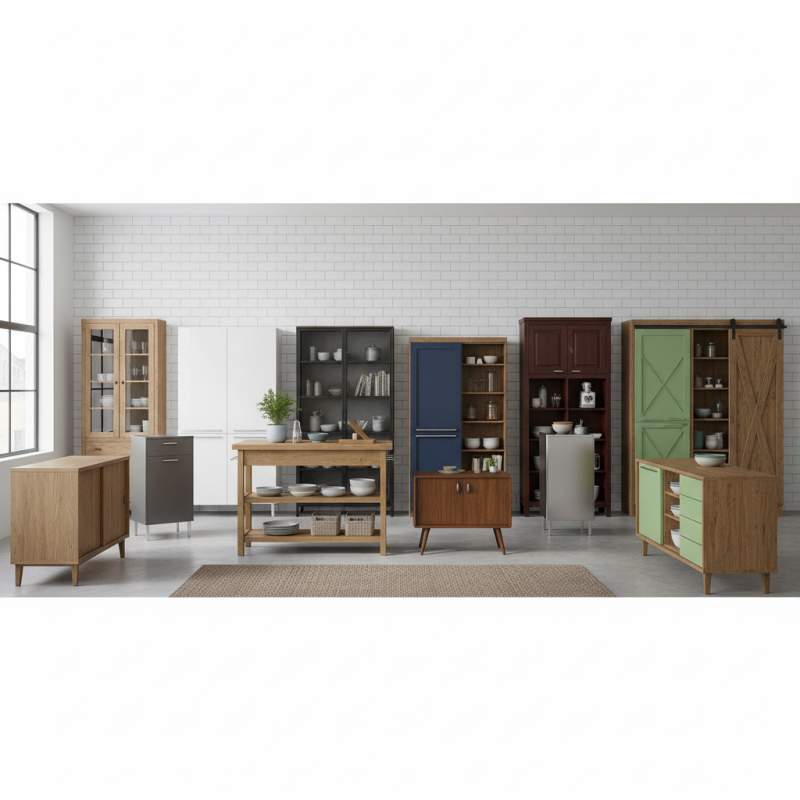
When choosing a freestanding kitchen cabinet, consider your space and needs. Measure your kitchen area to ensure a good fit. Cabinets come in various sizes and styles. They can add both storage and aesthetic appeal.
Another critical feature is the material. Solid wood offers durability but may require more maintenance. Metal cabinets can add a modern touch, but they might be prone to dents. Think about ease of cleaning as well. Surfaces that resist stains and moisture can save time.
Lastly, evaluate the cabinet's functionality. Look for adjustable shelves to accommodate different items easily. Drawers should open smoothly and provide ample space. Remember to check the assembly requirements. Some cabinets take longer to assemble, which can be frustrating. Prioritize features that align with your daily kitchen activities for effective use.
Materials and Durability: A Guide to Kitchen Cabinet Longevity
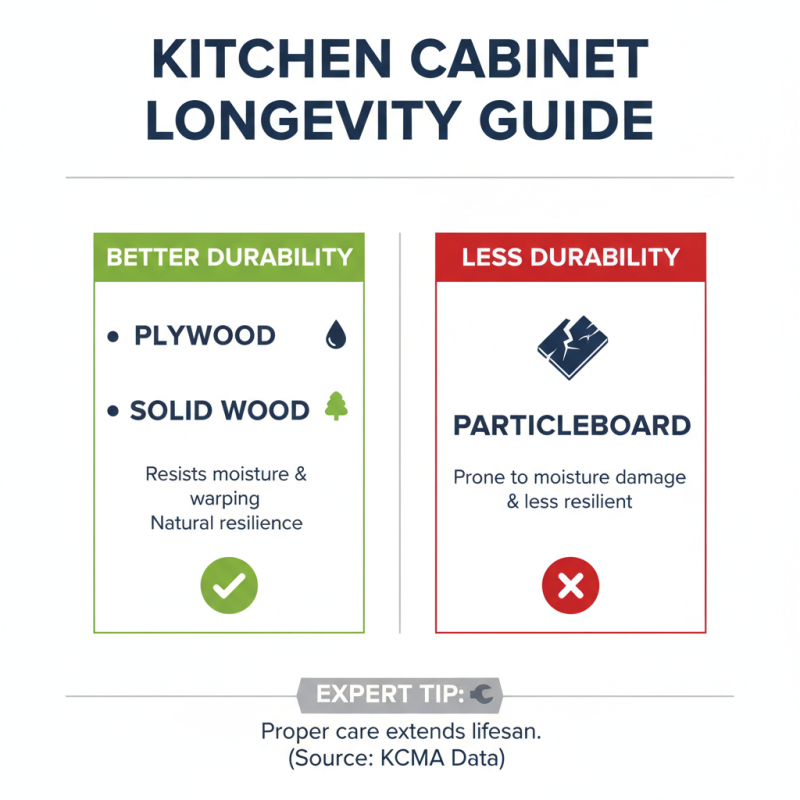
When choosing a freestanding kitchen cabinet, understanding the materials is essential for durability. Data from the Kitchen Cabinet Manufacturers Association indicates that cabinets made from plywood or solid wood last longer than those made of particleboard. Plywood resists moisture and warping, making it ideal for humid environments. Additionally, wood's natural resilience can withstand the test of time, but it’s crucial to consider proper care.
A report from the National Association of Home Builders reveals that cabinets with a protective finish can significantly enhance longevity. These finishes resist scratches and stains, thereby maintaining the cabinet's aesthetic over years. However, even with high-quality materials, issues like poor installation can lead to premature wear. Regular maintenance, such as cleaning and inspection, is often overlooked but can prevent costly replacements down the line.
Interestingly, many buyers underestimate the importance of cabinet hardware, which is essential for longevity. Low-quality hinges and handles can lead to functionality issues. In some cases, these components may require replacement before the cabinet itself fails. Therefore, thoughtful consideration of materials and hardware is critical for achieving long-lasting kitchen cabinetry.
Space Optimization: Designing Your Kitchen Around Freestanding Cabinets
Freestanding cabinets are becoming essential in modern kitchen design. They offer flexibility and effective space optimization. According to a recent report by the National Kitchen & Bath Association, 65% of homeowners utilize freestanding cabinets to enhance their kitchen functionality. These versatile units can house appliances, serve as additional counter space, and create alternative storage solutions.
When designing a kitchen, consider how freestanding cabinets fit into your layout. They should not obstruct traffic flow. Instead, they should enhance accessibility while being aesthetically pleasing. It’s vital to choose materials that align with your kitchen's overall theme. Wood, metal, and laminate each have distinct advantages and challenges. For example, wood provides warmth, but it can be prone to warping. Metal may offer durability, yet it can be cold visually.
Many homeowners overlook the dimensions of their space. A cabinet that seems perfect may overwhelm a small kitchen. To prevent a cluttered look, try maintaining a balanced ratio. Keep some areas free of excess items. Not every corner needs cabinetry. Open spaces can create breathing room and help define zones within the kitchen. Reflecting on these factors leads to a more harmonious and functional culinary space.
Trends in Kitchen Cabinet Styles for Contemporary Homes
The kitchen is evolving. Modern homes emphasize open layouts and functional spaces. Recent reports show that minimalistic designs are increasingly popular. About 65% of homeowners prefer clean lines and neutral palettes. This trend caters to a sleek look while remaining practical.
Farmhouse and industrial styles are also making a comeback. A survey indicated that 30% of buyers are opting for rustic finishes combined with modern features. Many homeowners are blending materials like wood and metal. This combination bridges the gap between traditional warmth and contemporary flair.
However, not all trends suit every space. Some homeowners find minimalism too stark, leading to a cold atmosphere. Others feel overwhelmed by clutter, leading to inefficient use of cabinet space. It's crucial to balance aesthetics with functionality. Each trend may not meet individual needs, but finding a middle ground is essential. Looking for inspirations can spark creativity but be mindful of personal style as well.
Top 10 Kitchen Freestanding Cabinets for Global Buyers
| Rank |
Material |
Style |
Dimensions (cm) |
Color Options |
Price Range ($) |
| 1 |
Wood |
Rustic |
60 x 40 x 180 |
Brown, White |
150-300 |
| 2 |
Metal |
Industrial |
70 x 50 x 200 |
Black, Grey |
200-400 |
| 3 |
MDF |
Modern |
80 x 55 x 190 |
White, Blue, Green |
100-250 |
| 4 |
Glass |
Contemporary |
75 x 45 x 175 |
Clear, Frosted |
300-500 |
| 5 |
Composite |
Traditional |
65 x 50 x 190 |
Cream, Beige |
120-270 |
| 6 |
Plywood |
Scandinavian |
60 x 40 x 180 |
Light Wood, Dark Wood |
150-350 |
| 7 |
Particleboard |
Minimalist |
70 x 40 x 190 |
White, Grey |
80-200 |
| 8 |
Vinyl |
Vintage |
80 x 50 x 185 |
Pastel Colors |
100-300 |
| 9 |
Bamboo |
Eco-Friendly |
65 x 45 x 180 |
Natural |
120-320 |
| 10 |
Fiberboard |
Classic |
70 x 50 x 190 |
Dark Brown, White |
90-220 |
Cost Analysis: Investing in Quality Freestanding Kitchen Cabinets
When investing in freestanding kitchen cabinets, quality should be a primary concern. High-quality materials often lead to durable products. Wooden cabinets, for instance, tend to offer longevity and aesthetic appeal. However, they can command a higher price. Metal and laminate options might be more budget-friendly but could lack the same longevity.
Consider the details carefully. Drawer and door mechanisms can significantly affect overall functionality. Soft-close features add comfort, while enhanced hardware offers ease of use. While these features may increase initial costs, they often result in greater satisfaction and less need for replacements.
Budgeting for cabinets requires foresight. It's easy to underestimate costs, especially with custom designs or unique materials. Look beyond the sticker price; think about potential maintenance. Cheaper cabinets may save money upfront but can lead to higher replacement costs down the line. Weigh the pros and cons, and consider your culinary needs. Investing wisely leads to a better kitchen experience in the long run.