Discover the Unique Kitchen Cabinets Transforming China Top Designs?
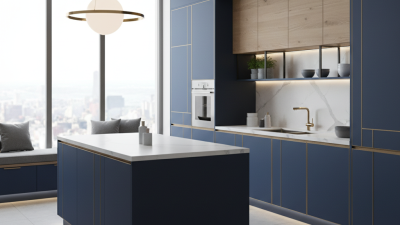
In the ever-evolving landscape of kitchen design, the "Unique Kitchen Cabinets" industry stands out as a transformative force. Experts like Jennifer Lee, a renowned designer, state, "Unique Kitchen Cabinets reflect personal style and enhance the heart of the home." This insight encapsulates the trend of customization and individuality in modern kitchens.
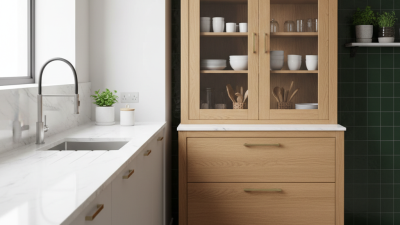
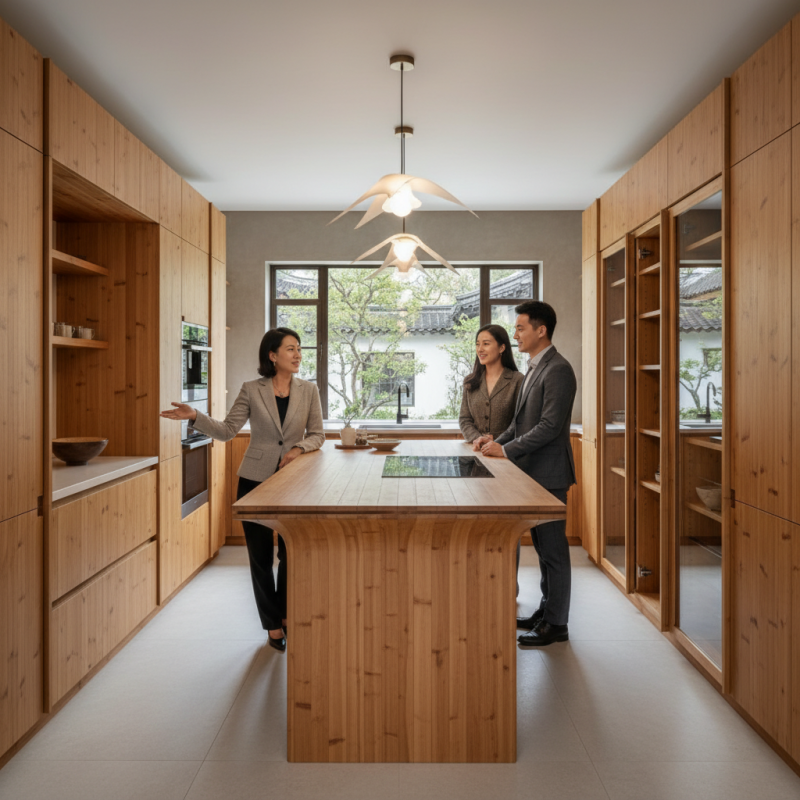
China's top designs are redefining what it means to have a unique kitchen. Sleek lines and innovative materials are increasingly popular. For instance, bamboo cabinets offer a sustainable yet stylish option. These cabinets not only serve a practical purpose but also act as a focal point within the kitchen. Homeowners are seeking pieces that tell a story and reflect their aesthetic choices.
However, the journey to finding the perfect unique kitchen cabinets isn’t without challenges. Many homeowners grapple with the balance between functionality and design. While they wish for standout elements, these must still accommodate everyday needs. This tension between style and practicality prompts reflection on what truly makes a kitchen feel like home. Ultimately, embracing unique designs may require a willingness to experiment and adapt.
Exploring Innovative Kitchen Cabinet Designs in China's Top Interiors
In today's rapidly evolving design landscape, kitchen cabinets in China are experiencing transformative changes. Innovative designs reflect both functionality and aesthetics, adapting to modern trends. The 2022 Chinese Kitchen Furniture Industry Development Report highlights that approximately 35% of homeowners prioritize modular designs for maximized storage space. This shift indicates a growing demand for cabinets that not only look good but also serve practical purposes.
Creative materials are emerging as a significant trend. Natural wood finishes provide warmth, while sleek metal accents lend a contemporary edge. A survey by the China Building Materials Federation revealed that 45% of consumers prefer eco-friendly materials in their kitchen choices. Yet, there remains a challenge in balancing sustainability with durability. Many new materials fail to withstand the test of time, leading to increased replacements and environmental concerns.
Customization has also gained traction, with up to 50% of new kitchen designs featuring personalized elements. However, this approach can be overwhelming. Homeowners often struggle to choose between myriad options, which may lead to indecision and dissatisfaction. Enhanced education about these products is vital. By fostering a deeper understanding of innovative kitchen cabinets, designers can guide homeowners toward fulfilling their vision while addressing their practical needs.
Cultural Influences Shaping China’s Unique Kitchen Cabinet Styles
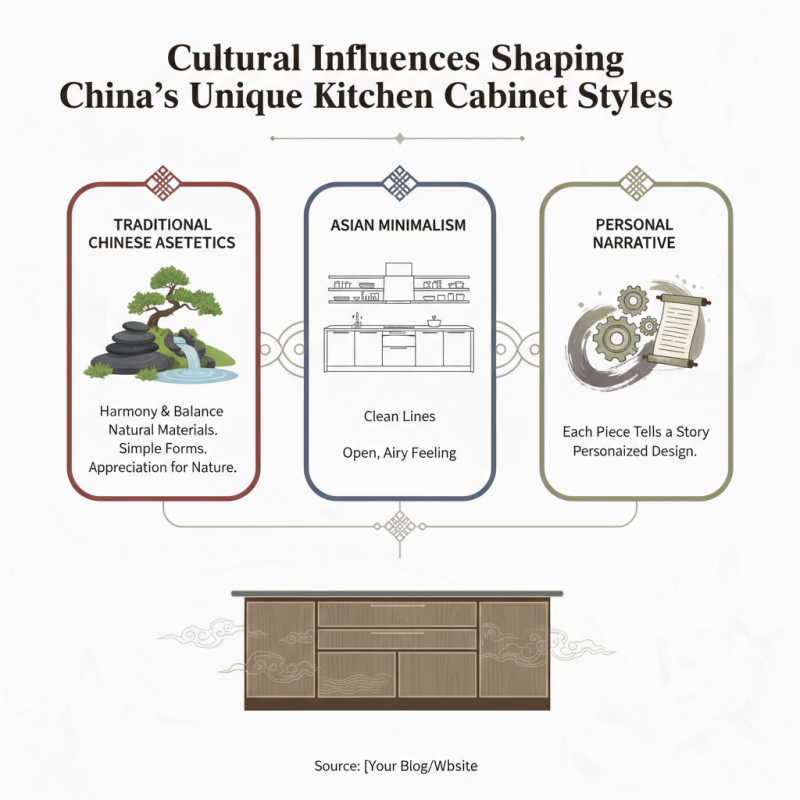
China's kitchen cabinet styles reveal a rich tapestry of cultural influences. Traditional Chinese aesthetics prioritize harmony and balance. Elements like natural materials and simple forms reflect a deep appreciation for nature. Asian minimalism encourages clean lines, which create an open, airy feeling in kitchens. Each piece tells a story, making the design personal.
Tips: When selecting cabinets, consider textures. Bamboo or reclaimed wood can add warmth. Mixing materials promotes uniqueness. Pay attention to cabinet finishes. Matte surfaces can enhance a serene environment, while gloss finishes add a touch of modern flair.
Contrasting influences from Western design also shape these kitchens. There is an ongoing dialogue between East and West. Designers are experimenting, creating innovative compositions that blend functionality and beauty. However, this fusion may dilute cultural significance. Striking a balance is key; appreciation of tradition should not fade. Each choice in design matters, reflecting personal taste and cultural roots.
Materials and Finishes: The Key to China’s Kitchen Cabinet Transformations
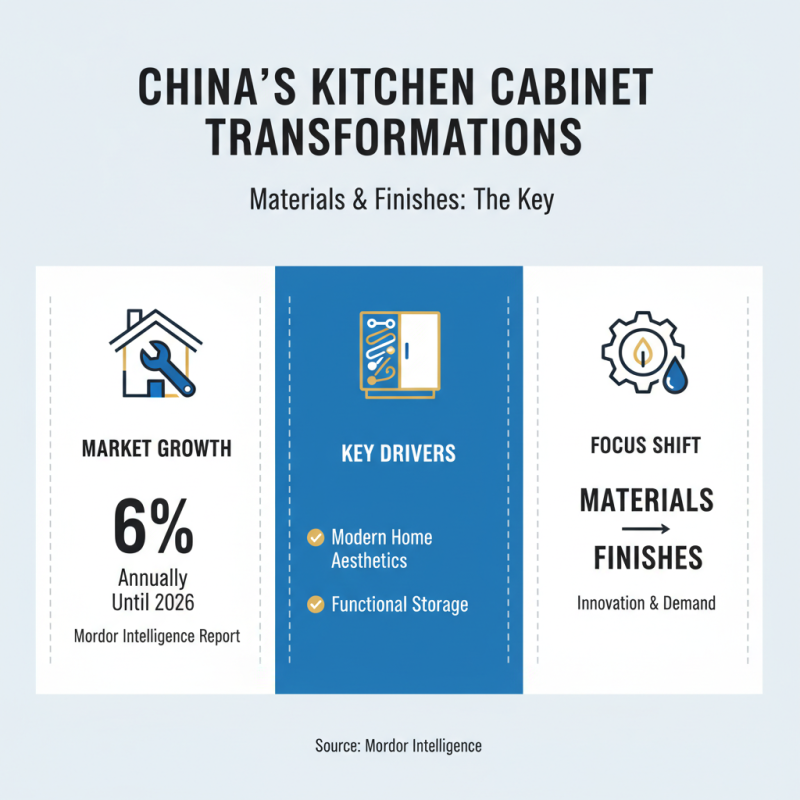
The kitchen cabinet market in China is experiencing notable transformations, particularly in materials and finishes. According to a recent report by Mordor Intelligence, the kitchen cabinet market is projected to grow by 6% annually until 2026. This growth is driven by the increasing demand for modern home aesthetics and functional storage solutions.
Wooden cabinets remain popular, though there is a shift toward engineered materials. Bamboo and plywood are favored for their sustainability and durability. These materials are often treated with finishes that enhance their resilience against moisture and stains. Such advancements allow homeowners to enjoy beautiful designs without compromising maintenance.
However, challenges remain. Some consumers are concerned about the longevity of these materials. Reports indicate that nearly 30% of homeowners express doubts about the durability of engineered wood compared to solid wood options. This raises questions about reliability amidst the trend of modern aesthetics. As the industry evolves, maintaining quality while embracing innovative materials will be crucial for meeting consumer expectations.
Functionality Meets Aesthetics: Design Trends in Chinese Kitchen Cabinets
In Chinese kitchen design, functionality meets aesthetics seamlessly. Modern kitchen cabinets reflect a blend of practicality and style. These cabinets often utilize materials like bamboo and engineered wood, presenting a sustainable choice. The sleek lines and minimalistic designs create a tranquil yet efficient space. Contrast is key—warm wood tones paired with cool metal finishes evoke a sophisticated atmosphere.
Tips for designing your kitchen: Consider open shelving to showcase beautiful dishware. This adds both storage and visual appeal. Choose cabinets with innovative features such as pull-out spice racks or deep drawers for utensils. These elements enhance organization while maintaining a clean look. Remember, color plays a huge role. Soft neutrals create a calming effect, while bold hues can energize the space.
However, the pursuit of perfection can sometimes overshadow practicality. Many homeowners focus too much on trendy designs, neglecting usability. Aesthetic choices may complicate daily tasks. Reflect on your cooking habits. Ensure your cabinet layout supports efficient workflows. A well-designed kitchen should harmonize beauty with ease of use. Embrace the unique trends, but prioritize what truly fits your lifestyle.
Trends in Chinese Kitchen Cabinet Designs: Functionality vs Aesthetics
Sustainability in Kitchen Cabinet Manufacturing: A Growing Trend in China
Sustainability has become a significant factor in kitchen cabinet manufacturing in China. Many manufacturers are prioritizing eco-friendly materials. Bamboo, reclaimed wood, and non-toxic finishes are gaining attention. This shift reflects a broader environmental consciousness among consumers.
Not all products meet sustainability claims. Some companies may overstate their eco-friendly practices. Transparent sourcing and fair labor practices remain vital concerns. It’s crucial for consumers to research and verify these claims before making purchases. Combining aesthetics with sustainability can be challenging.
The designs featuring these sustainable materials can be stunning. Rich textures and natural tones enhance modern kitchens. However, durability is sometimes compromised. For instance, some bamboo cabinets may warp in humid conditions. Balancing design with functionality is essential for long-term satisfaction. Choosing sustainable cabinets invites a unique character into the home while contributing positively to the environment.
Discover the Unique Kitchen Cabinets Transforming China Top Designs
| Material |
Sustainability Rating |
Design Style |
Average Cost (CNY) |
Lifespan (Years) |
| Bamboo |
High |
Modern |
8,000 |
20 |
| Reclaimed Wood |
Medium |
Rustic |
10,000 |
25 |
| Plywood |
Medium |
Contemporary |
6,500 |
15 |
| MDF with Eco-friendly Coating |
High |
Minimalistic |
7,500 |
18 |
| Stainless Steel |
Low |
Industrial |
12,000 |
30 |