10 Tips for Choosing Beautiful Kitchen Cabinets for Your Dream Home?
Selecting Beautiful Kitchen Cabinets is a critical step in designing your dream home. Expert designer Chris Brinton emphasizes, “The right cabinets can transform a kitchen into a masterpiece.” His insight highlights the significance of making thoughtful choices.
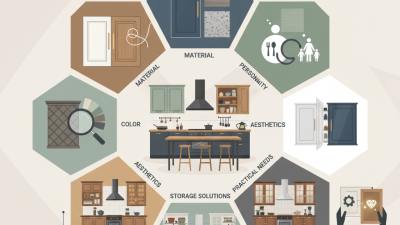
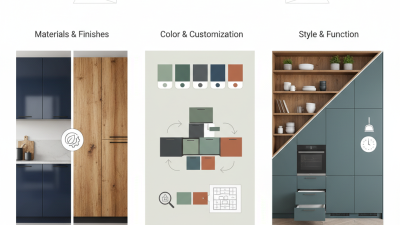
When choosing cabinets, consider the material, color, and style. Each element contributes to the overall aesthetic. Functional aspects, such as storage and ease of use, are just as important. Beautiful Kitchen Cabinets should not only look good but also serve your needs.
It’s worth noting that not every choice will be perfect. Trends change, and personal taste may evolve. Reflecting on your priorities can help make better decisions. Remember, the journey to create your beautiful kitchen is as valuable as the end result.
Understanding Your Kitchen Style and Aesthetic Preferences
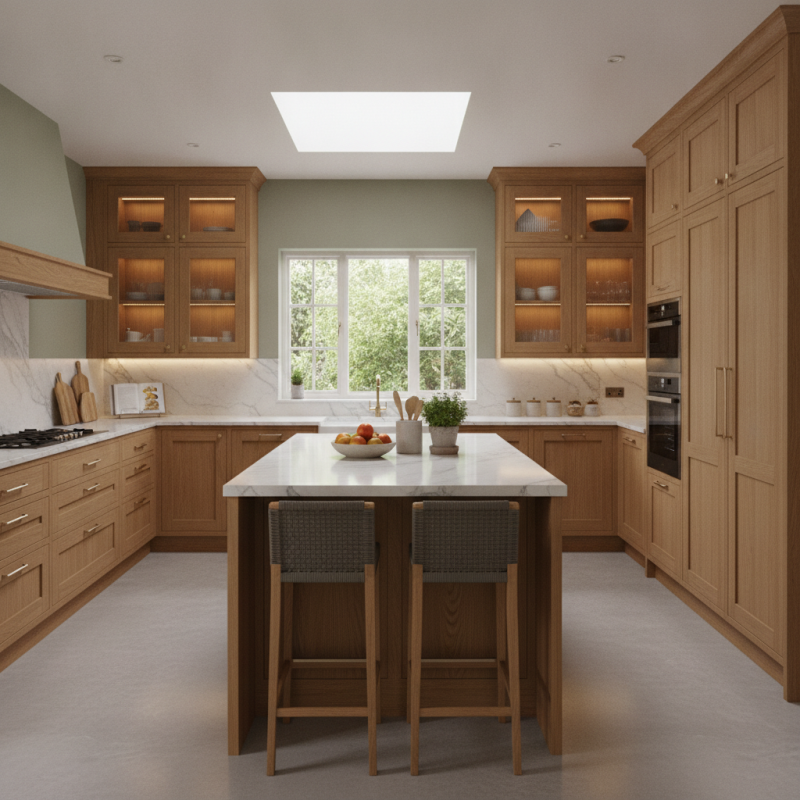
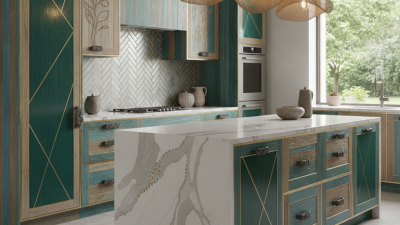
When it comes to selecting kitchen cabinets, understanding your style is essential. Do you prefer modern, rustic, or traditional designs? Identifying your aesthetic preferences will help narrow down your choices effectively. For example, sleek lines and minimalistic finishes work well for contemporary spaces. Alternatively, warm woods and detailed craftsmanship suit a more classic look.
Consider texture and color. A light, airy palette can enhance the spacious feel of a smaller kitchen. On the other hand, bold colors may create a striking focal point. It’s crucial to envision how these elements harmonize with your overall kitchen design.
Choose materials wisely. Solid wood offers durability and timelessness, but can be pricey. Laminates are budget-friendly yet less durable. Don't forget about the cabinet hardware; the knobs and handles play a vital role in the overall aesthetic. They can either complement or contrast beautifully with your cabinets. Be aware of how these choices reflect your personal style, and remember, even small flaws can add character. Don't rush the decision; take time to reflect on what truly resonates with you.
Evaluating Material Options for Durability and Maintenance
When choosing kitchen cabinets, material selection greatly impacts durability and maintenance. A 2022 report by the National Kitchen and Bath Association highlights that over 60% of homeowners prioritize cabinet longevity in their renovation choices. This decision affects both appearance and functionality. Popular materials include solid wood, plywood, MDF, and particleboard. Each option has its strengths but also its drawbacks.
Solid wood offers timeless beauty and strength. However, it does require regular maintenance to prevent warping and cracking. In contrast, plywood is more stable and less prone to damage, making it a wise choice for humid environments. It also provides a good balance of quality and cost. Meanwhile, MDF is resistant to warping but may not withstand heavy loads like solid wood or plywood. A professional study shows that MDF cabinets can last up to 15 years with proper care.
While aesthetics are important, durability should never be overlooked. Raw materials can show wear over time. Consider finish options as well, which can enhance or detract from a cabinet's longevity. The right choice may depend on your lifestyle, cooking habits, and budget. Balancing beauty and practicality is key when selecting cabinets.
10 Tips for Choosing Beautiful Kitchen Cabinets for Your Dream Home
| Material Type |
Durability Rating (1-10) |
Maintenance Level (Low/Medium/High) |
Average Cost per Square Foot |
| Solid Wood |
9 |
Medium |
$100 - $200 |
| Plywood |
8 |
Low |
$75 - $150 |
| Medium Density Fiberboard (MDF) |
6 |
Medium |
$50 - $100 |
| Laminate |
5 |
Low |
$30 - $80 |
| Particle Board |
4 |
High |
$20 - $50 |
Choosing the Right Color Palette for a Cohesive Look
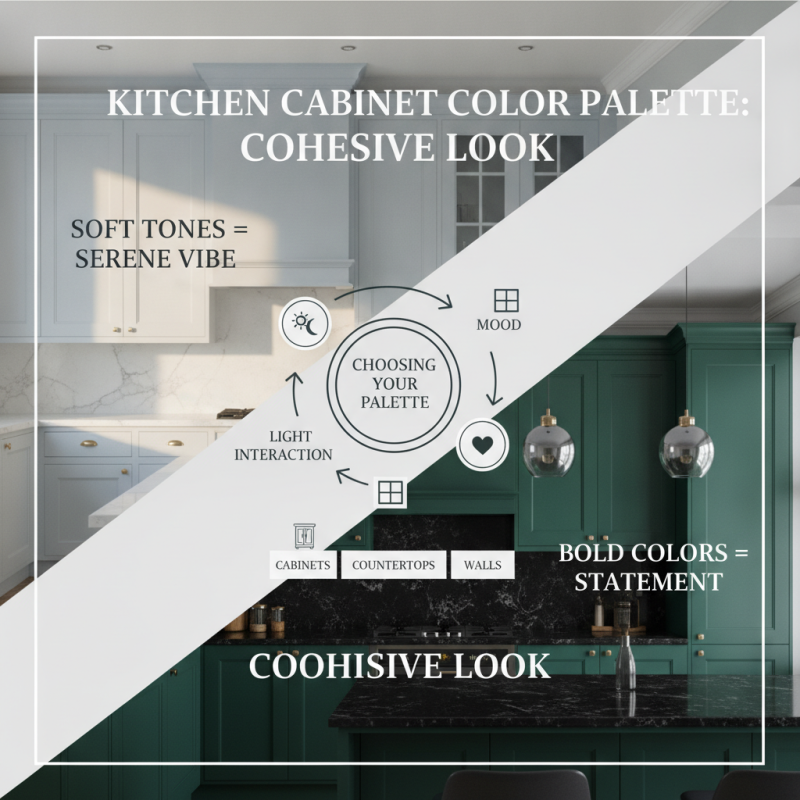
Choosing the right color palette for your kitchen cabinets sets the tone for your entire space. It influences how light interacts within the room and affects the overall feel. Consider the mood you want to create. Soft tones can offer a serene vibe, while bold colors make a statement. A cohesive look ties everything together, from countertops to wall colors.
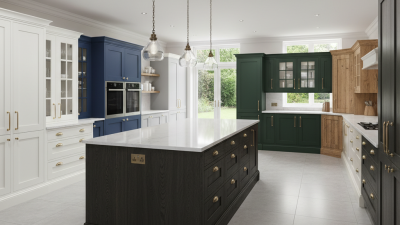
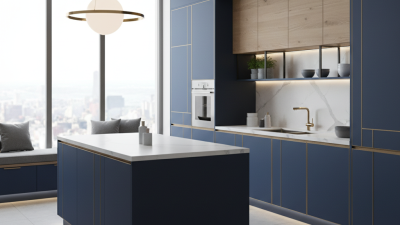
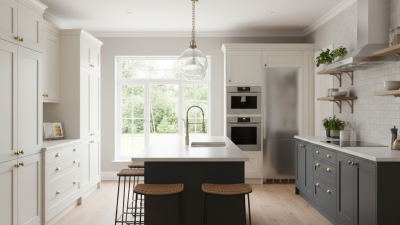
Experimenting with different shades is essential. A classic white cabinet can look stunning when paired with a deep navy island. Alternatively, soft pastels can provide a fresh, inviting atmosphere. Layering colors works well too. Combine light and dark tones to add depth. This approach prevents the space from feeling flat or monotonous.
It's important to reflect on how colors make you feel over time. Trends come and go, but personal comfort remains. Avoiding overly trendy hues can help maintain your kitchen's appeal for years. Sometimes, stepping back to evaluate choices is necessary. It’s crucial to ensure the palette aligns with your style and the rest of your home.
Sizing and Layout Considerations for Optimal Functionality
When choosing kitchen cabinets, sizing and layout can make or break your space. Consider your kitchen's dimensions first. Measure both the width and height. Cabinets should seamlessly fit your kitchen's flow. Use a tape measure to determine available space. This step is essential for a balanced look. Too large cabinets can overwhelm a small kitchen, while too small can lead to wasted space.
Tip: Think about the cabinet depth. Standard cabinets are typically 24 inches deep. However, if you have a smaller kitchen, consider shallower options. This choice helps maintain a spacious feel. Another area to reflect on is the cabinet height. Ceiling-height cabinets can create an illusion of more space. Yet, they may require a step stool for access.
Additionally, layout plays a crucial role. Consider how you use your kitchen daily. If you cook often, ensure pots and pans are easily reachable. Place commonly used items in lower cabinets. Reflect on your workflow: a well-designed layout can streamline meal prep. Evaluate the arrangement of appliances too, which might affect cabinet layout. A practical design promotes efficiency while enhancing beauty.
10 Tips for Choosing Beautiful Kitchen Cabinets for Your Dream Home
This bar chart represents the importance of various factors when choosing kitchen cabinets, based on a survey of homeowners. The factors include Material Quality, Color and Finish, Storage Capacity, Style Compatibility, Cost, and Brand Reputation.
Budgeting Effectively for Your Kitchen Cabinet Investment
When planning your kitchen remodel, budgeting effectively is crucial. Begin by determining how much you can spare for your cabinets. Set clear limitations to avoid overspending. Research average costs in your area and consider various styles and materials. This will help you create a realistic budget.
Consider the long-term investment of your cabinets. Quality matters, but it doesn't have to break the bank. Sometimes, opting for mid-range options can provide durability without compromising aesthetics. Think about your lifestyle too. Custom cabinets may look stunning, but they often come with high price tags. Reflect on whether they truly align with your needs.
Don't forget about installation costs. This factor can significantly affect your total budget. Sometimes, DIY might seem appealing but weigh that against your skill level. An imperfect installation could lead to more expenses. Balancing quality and cost is vital. Aim for cabinets that fulfill your dreams without handing you a financial nightmare. Keep an eye on sales, and don’t hesitate to negotiate prices with suppliers. Planning carefully can lead to a beautiful kitchen while maintaining financial peace of mind.