Best Slim Kitchen Island Designs for Small Spaces Ideas?
In today’s fast-paced world, maximizing small spaces is essential. The concept of a Slim Kitchen Island is gaining traction. According to a recent report by the National Kitchen and Bath Association, 52% of homeowners are looking for ways to optimize their kitchen layouts. This trend focuses on functionality and style.
Expert interior designer Sarah Johnson states, “A Slim Kitchen Island can be a game changer for compact areas.” This design allows for additional storage, cooking space, and dining options without overwhelming the kitchen. With the right measurements, even a small kitchen can feel spacious and inviting.
However, it’s important to recognize that not all designs will work for every space. Customization is key. Homeowners should consider their daily needs. Investing in a Slim Kitchen Island that complements their workflow can make a significant difference. Embracing these designs can transform a kitchen into an efficient and aesthetic area.
Best Slim Kitchen Island Designs for Small Spaces: An Overview of Trends
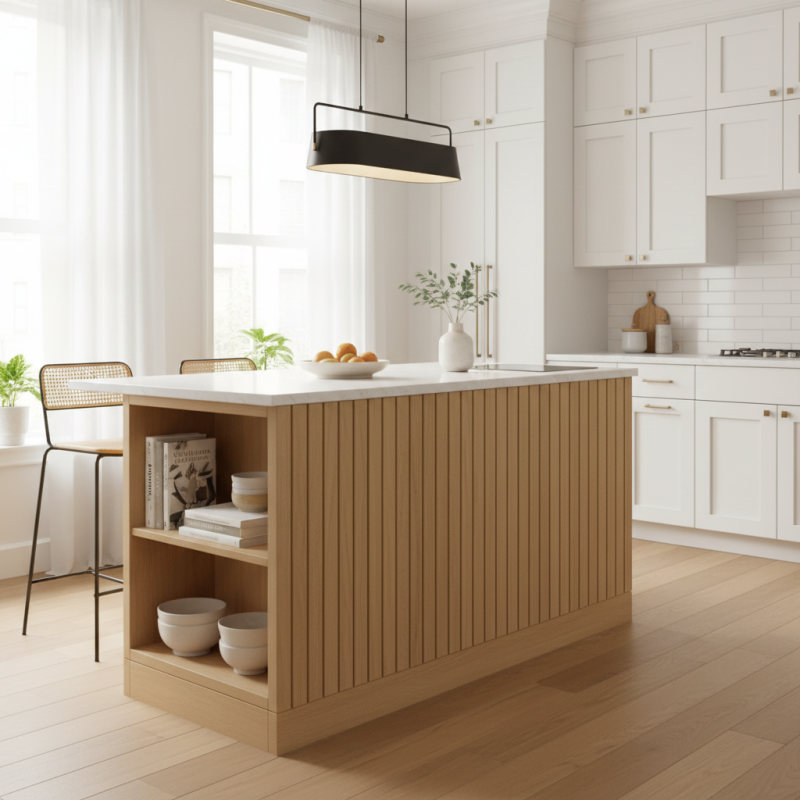
Slim kitchen islands are ideal for small spaces. They offer functionality without overwhelming your layout. One trend is multi-purpose designs that combine storage with seating. These islands often feature drawers or open shelving for easy access to kitchen essentials. A slim profile allows for smooth movement in your culinary space.
Color plays a significant role in these designs. Soft, light tones can make a small kitchen feel airy. Additionally, incorporating natural materials like wood can add warmth without bulk. Some designs integrate compact, foldable sections to maximize utility when needed. However, poorly planned layouts can hinder workflow, limiting their overall effectiveness.
Incorporating vertical elements can enhance the design. Wall-mounted shelves or hanging pots can free up space on the counter. This approach not only saves room but also keeps everything within reach. Balancing aesthetics and function is crucial. It's easy to get carried away with trendy designs that may not serve everyday needs. Practicality should always be at the forefront when selecting a slim kitchen island.
Maximizing Functionality: Key Features of Slim Kitchen Islands
Slim kitchen islands are ideal for maximizing functionality in small spaces. They effectively blend storage, workspace, and dining areas without overwhelming the kitchen. A recent study by the National Kitchen and Bath Association reveals that 56% of homeowners prioritize functionality when designing their kitchens. This emphasizes the need for innovative solutions that cater to limited space while enhancing usability.
Key features should include built-in storage solutions like drawers and shelves. These elements help organize utensils and cookware, keeping counters clear. Compact countertops can serve as a prep area but can also double as a casual dining spot. According to a survey by Remodeling Magazine, 61% of homeowners believe a kitchen island adds value to their home. Yet, it’s crucial to consider traffic flow and placement. A poorly positioned island could disrupt movement, making the space feel cramped.
Thoughtful design choices can lead to aesthetic appeal and practicality. Materials such as lightweight wood or durable quartz can elevate the kitchen’s look without consuming space. However, homeowners need to reflect on their specific needs and habits. An island too small may lack efficiency, while one too big may become a hindrance. Tailoring the design based on personal preferences can make a significant difference in daily use.
Best Slim Kitchen Island Designs for Small Spaces
This chart depicts the ratings of key features of slim kitchen islands designed for small spaces. These features include storage space, seating capacity, countertop surface area, mobility, and style options, rated on a scale of 1 to 10.
Material Choices for Slim Kitchen Islands: Balancing Style and Durability
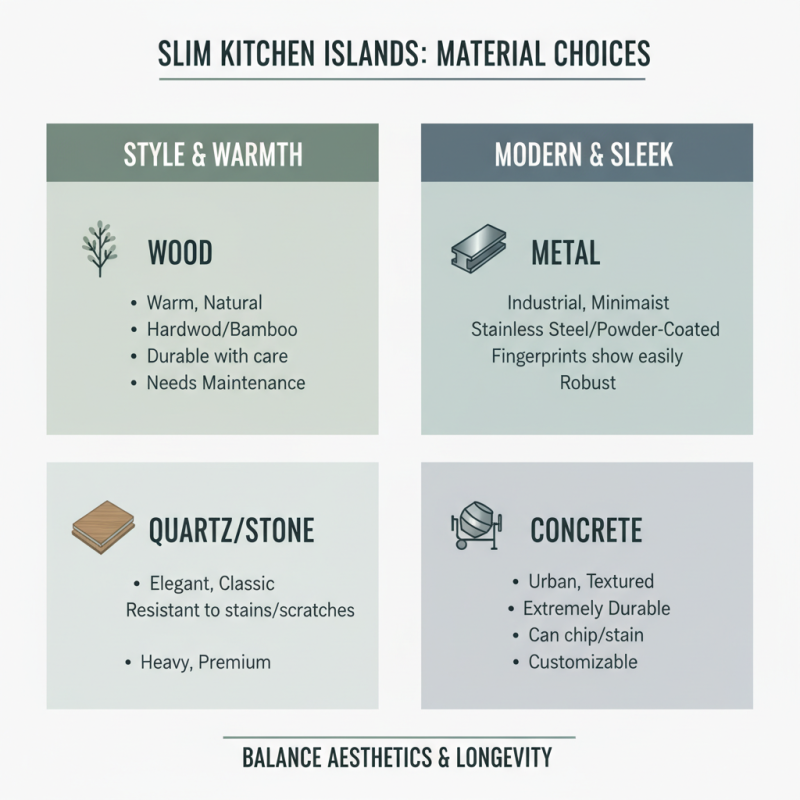
When it comes to slim kitchen islands, material choices play a crucial role. You want materials that enhance style while ensuring durability. Wood, for instance, offers warmth and aesthetics, yet it requires regular maintenance. Consider options like hardwood or bamboo for longevity. Metal may introduce a sleek, modern edge but can show fingerprints easily. Each material comes with its pros and cons, impacting both function and appearance.
Tips for selecting your kitchen island: Think about your cooking habits. If you often prepare hot dishes, a heat-resistant countertop is vital. A heavy stone surface can provide durability but may weigh down compact designs. Equally, look for easy-to-clean finishes if your kitchen sees a lot of action.
In smaller spaces, every inch counts. Lightweight materials can help you maintain an airy feel. Floating shelves beneath a slim island can maximize storage without compromising style. Remember, an island is not just a workspace but also a social hub. Balance aesthetics with practicality to create an inviting atmosphere in your kitchen.
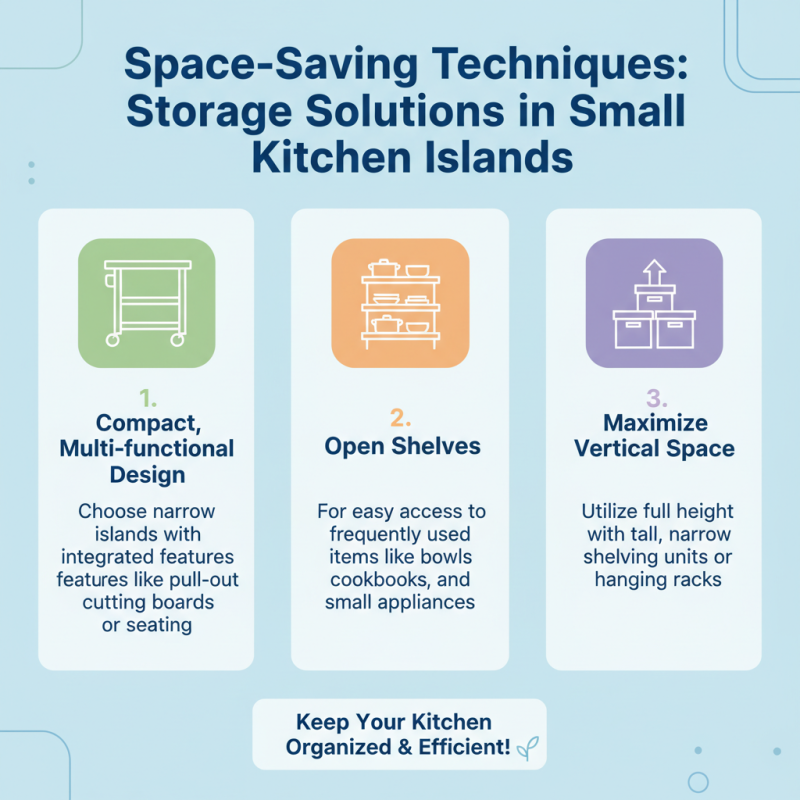
Space-Saving Techniques: Storage Solutions in Small Kitchen Islands
Designing a slim kitchen island can enhance functionality in small spaces. Effective storage solutions are key. Opt for a compact design with multi-functional uses. Consider open shelves for easy access to frequently used items. This approach maximizes vertical space while keeping your kitchen organized.
Adding pull-out drawers can be invaluable. They hide clutter and provide quick access to utensils and small appliances. Even a small, slide-out table can serve as additional prep space when needed. Choose materials that are both durable and lightweight to ensure ease of movement.
Keep in mind, a well-designed space can sometimes feel cramped. It’s essential to balance aesthetics with practicality. Choose a color palette that feels open. Light colors can make the kitchen appear larger, while dark shades may make it feel cozy, but smaller. Remember, each choice impacts the overall vibe of your kitchen.
Design Inspiration: Popular Styles for Modern Small Kitchen Islands
When designing a small kitchen, a slim kitchen island can be a game-changer. Popular styles often prioritize flexibility and functionality. For instance, a minimalist design allows for an open feel. This can make a compact kitchen look more spacious. Consider light-colored materials like white or pale wood. These can reflect light and create an airy atmosphere.
Another trend is multi-purpose islands. Some designs include built-in seating. This gives you a space for dining or socializing. Using bar stools can save room. Additionally, you might incorporate storage options. Drawers and shelves help keep utensils organized. Clear countertops inspire a tidy workspace.
However, it’s essential to think about flow. An island too large can obstruct movement. Evaluate your kitchen's layout before committing to a design. A narrow island may serve best, leaving pathways clear. Remember to balance aesthetics and practicality. Embrace imperfections; sometimes the unexpected choice works best. Each design decision shapes the overall energy of your kitchen. Consider your lifestyle and daily habits. Make sure your island truly meets your needs.
Best Slim Kitchen Island Designs for Small Spaces Ideas
| Design Style |
Dimensions (LxWxH) |
Material |
Color Options |
Special Features |
| Modern Minimalist |
48"x24"x36" |
Wood |
White, Black, Grey |
Pull-out drawers |
| Rustic Farmhouse |
54"x30"x36" |
Reclaimed Wood |
Natural, Barn Red, White |
Open shelving |
| Contemporary Chic |
50"x24"x36" |
Metal & Glass |
Black, Silver, Clear |
Built-in wine rack |
| Industrial Style |
60"x30"x36" |
Metal & Wood |
Brown, Black, Dark Green |
Casters for mobility |
| Scandinavian |
42"x28"x30" |
Pine |
Light Wood, Pastel Colors |
Biodegradable finishes |