How to Create a Simple Closet Design for Maximum Space and Organization?
Creating a functional and stylish living space often begins with an effective storage solution. A Simple Closet Design maximizes both space and organization. This process can seem daunting, yet with the right approach, it becomes manageable.
To start, assess your current closet situation. Identify items you truly need and determine what is not being used. This exercise often brings clarity. A simple closet design should cater to your daily needs and lifestyle. It can provide easy access to essentials while neatly storing seasonal items.
Furthermore, incorporating adjustable shelving and multi-functional hangers enhances usage. These small adjustments can lead to significant improvements. Reflecting on your design choices will help you create a more personalized space. Embrace the imperfections in your system, as they can guide future adjustments. A thoughtful and well-organized closet design leads to harmony in your home.
Understanding Closet Space: Average Sizes and Optimization Potential
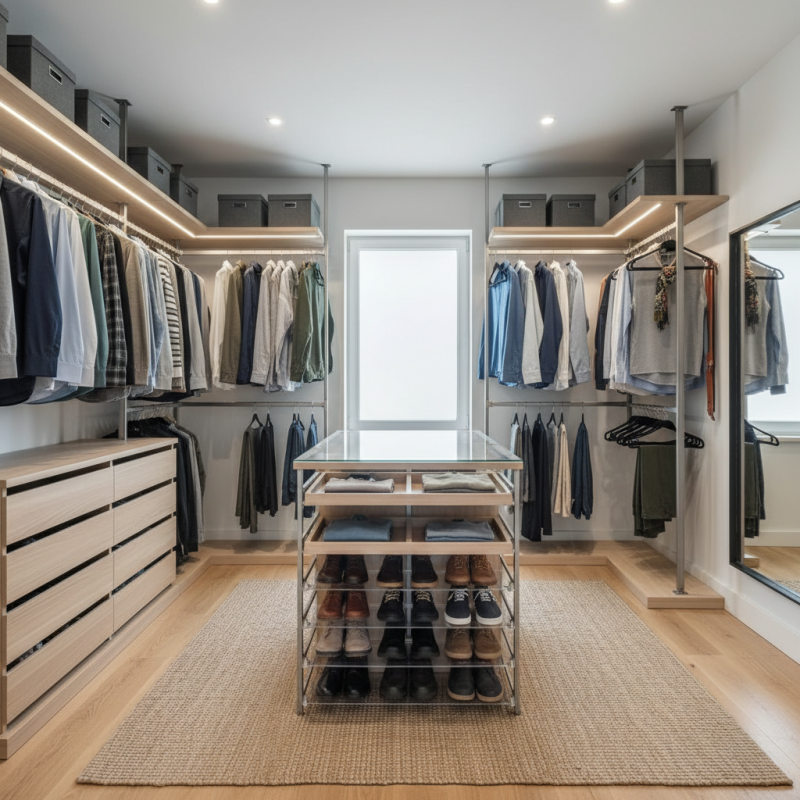
When designing a closet, understanding its space is crucial. Most closets have standard dimensions, such as 5 to 8 feet wide. However, many overlook the potential to optimize those dimensions. A well-planned closet can significantly enhance organization.
Start by assessing your existing space. Identify wasted areas, like corners and upper shelves. Consider adding vertical storage solutions, such as hooks or shelves. This approach can make a small closet feel more spacious. Don't forget about the depth; many racks occupy a lot of it.
Tailoring your closet design to your lifestyle is essential.
Evaluate what you actually use. Are there items you rarely wear or need? Decluttering can create valuable room for essentials. A visually appealing closet can save time when choosing outfits. Yet, remember that over-packing can lead to chaos. Balancing functionality with aesthetics is an ongoing challenge.
Assessing Your Needs: Inventory and Prioritizing Items for Organization
Creating an efficient closet design begins with understanding your needs. Take a moment to assess what you have. Open your closet and pull everything out. This process can be eye-opening. You may find items you forgot you owned. Group similar items together. For example, keep shoes in one area and clothing in another.
Once you have everything sorted, prioritize what to keep. Ask yourself, "Have I worn this in the past year?" If not, it might be time to let it go. Similarly, consider the condition of your items. Worn shoes or clothes with holes can take up valuable space.
Think about functionality as you make decisions. Some items may have sentimental value, but will they serve a practical purpose in your everyday life? Reflect on how often you truly use each item. This inventory process can feel overwhelming, but it is crucial for an organized closet. Remember, it’s about quality over quantity.
Designing for Efficiency: Layout Options and Space-Saving Solutions
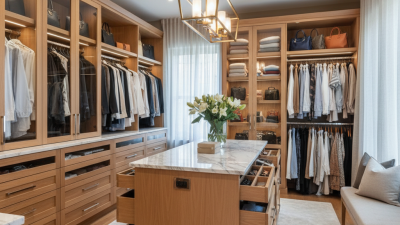
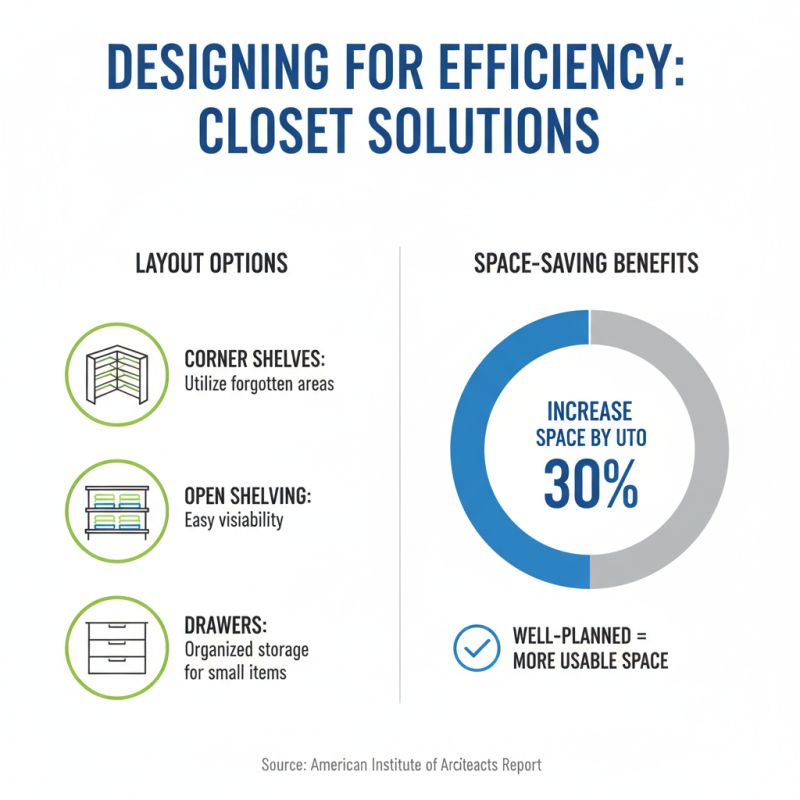
Creating an efficient closet design is crucial for maximizing space. According to a report from the American Institute of Architects, a well-planned closet can increase usable space by up to 30%. When designing, consider various layout options. Corner shelves can utilize forgotten areas, making every inch count. Open shelving allows for easy visibility, while drawers can store smaller items and keeps them organized.
Space-saving solutions can transform your closet experience. Using vertical storage is one effective method. Hang clothes high and use baskets for shoes below. This arrangement promotes better access and visibility. Reports indicate that closets utilizing pegboards or hooks see a 40% reduction in clutter.
Reflecting on organization methods is vital. Many people's closets become overstuffed. This often results from poor planning or lack of maintenance. Regularly assessing and reorganizing can enhance efficiency. Embrace the idea that perfection is not the goal. Instead, aim for a functional space that reflects your lifestyle.
Selecting the Right Materials: Impact of Quality on Durability and Design
When designing a closet, selecting the right materials is crucial. Quality impacts both durability and the overall aesthetic. For example, opting for high-grade wood can elevate the closet's look. Additionally, it ensures longevity in daily use. Weak materials might warp or chip, creating headaches down the line.
There are various options to consider. Plywood is sturdy and affordable. Solid wood, while more expensive, offers a timeless appeal. Particleboard is a cost-effective choice but may not last as long. Balancing cost and quality is essential. Reflect on how you use your closet. If you need flexibility, consider adjustable shelving units.
Another area to ponder is the finish. A smooth, protective layer enhances durability. But it might not hide wear and tear. Matte finishes can mask imperfections but may be harder to clean. Each option has its pros and cons. Reflecting on your needs can guide you in making the best choice.
How to Create a Simple Closet Design for Maximum Space and Organization? - Selecting the Right Materials: Impact of Quality on Durability and Design
| Material Type |
Durability Rating (1-5) |
Cost per Unit |
Weight (lbs per unit) |
Ease of Installation (1-5) |
| MDF (Medium Density Fiberboard) |
4 |
$25 |
50 |
3 |
| Plywood |
5 |
$35 |
40 |
4 |
| Particle Board |
3 |
$15 |
60 |
2 |
| Solid Wood |
5 |
$50 |
30 |
5 |
| Metal |
5 |
$70 |
20 |
4 |
Implementing Smart Storage Solutions: Utilizing Vertical and Hidden Spaces
When designing a closet, utilizing vertical and hidden spaces can dramatically enhance its functionality.
Vertical storage solutions, such as tall shelving units, can maximize the often-underused height of a closet. Consider adding hooks or pegboards on the walls.
Utilize the back of the closet door for storage. This area often goes unnoticed but can hold shoes or accessories.
Hidden storage is another effective way to create a clean, organized look.
Think about baskets or bins that can slide under the bed. Mirrored furniture can also serve dual purposes, offering reflection while providing extra storage.
Keep in mind that oversizing can lead to clutter. Ensure that every item has its place. It's okay to have an imperfect system that requires adjustments over time.
Regularly evaluate what works and what needs tweaking. This reflection is part of the organization process.