2026 How to Choose the Best Kitchen Freestanding Cabinet for Your Space?
Choosing the right Kitchen Freestanding Cabinet can transform your kitchen's functionality and aesthetics. According to a report by the National Kitchen and Bath Association, nearly 50% of homeowners consider cabinetry a vital part of their kitchen renovation plans. A well-selected cabinet not only adds storage but also enhances the overall design.
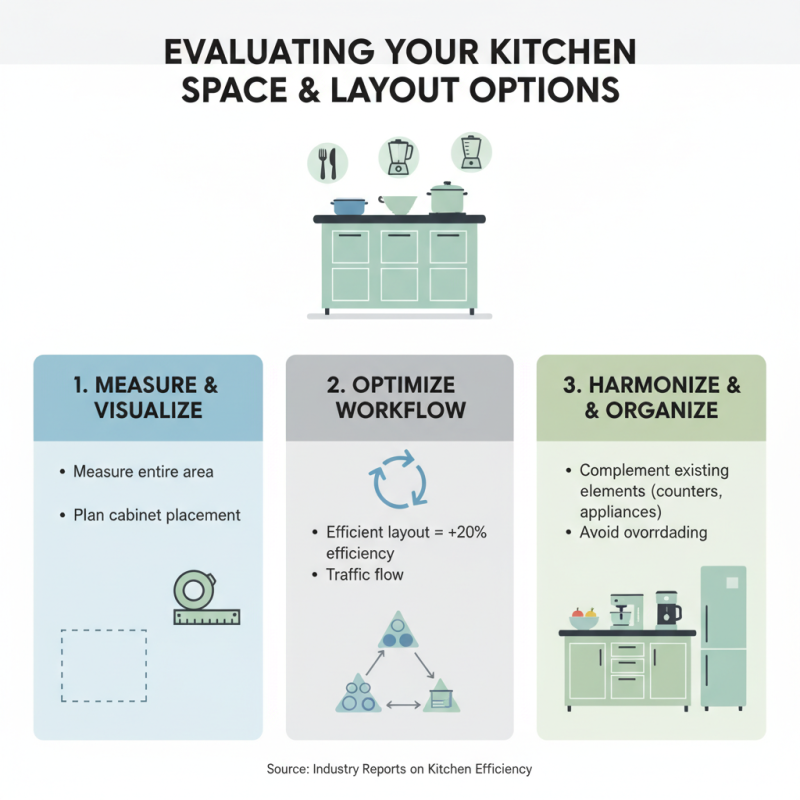
Understanding your space is critical. The average kitchen size varies, with many falling between 150 to 300 square feet. This variation means that a cabinet ideal for one kitchen may not suit another. Measurements and layout are crucial. A cabinet that is too large can overwhelm the space, while one that is too small may lead to clutter.
Moreover, quality matters. A study by Remodeling Magazine emphasized that high-quality cabinetry can yield up to a 70% return on investment. However, it’s essential to reflect on your needs. Aesthetic appeal and practical use should be balanced. Consider the materials, styles, and finishes available in the market. The right Kitchen Freestanding Cabinet can offer both beauty and utility, making an informed choice vital.
Understanding the Importance of a Kitchen Freestanding Cabinet
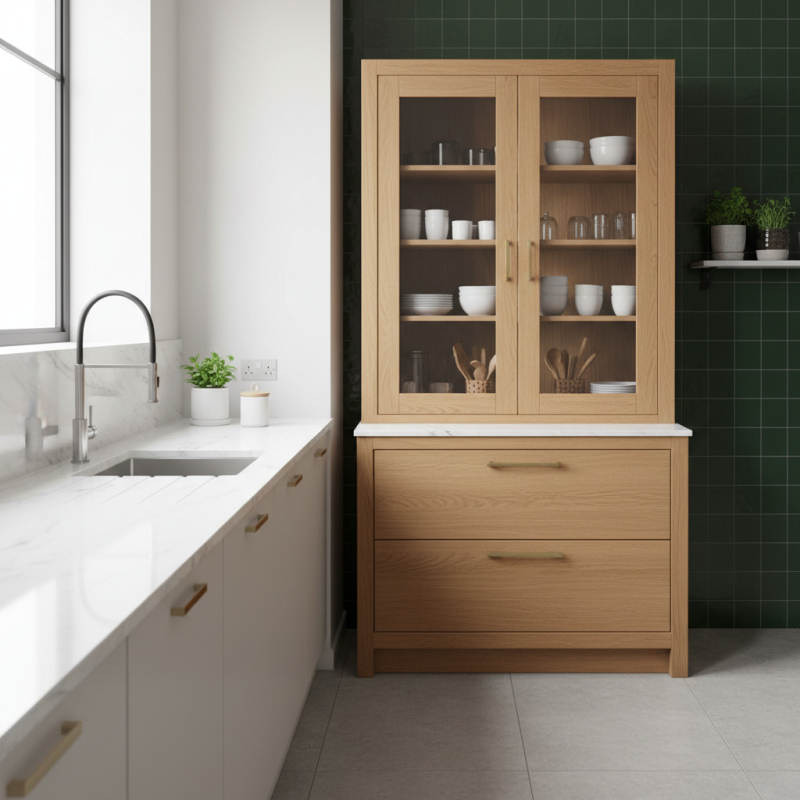
A kitchen freestanding cabinet
is more than just a piece of furniture. It serves as a vital component of kitchen organization. A well-chosen cabinet can enhance storage options and improve overall workflow.
It can accommodate small appliances, cookware, and pantry items. This keeps your kitchen neat and functional.
Choosing the right cabinet requires careful thought.
Consider the size and layout of your kitchen. A large cabinet may overwhelm a small space.
Conversely, a tiny cabinet may not meet your storage needs. Evaluate your cooking habits and what you need easy access to.
Do you often reach for spices or baking supplies? Reflect on these details.
A cabinet also influences the kitchen's aesthetic. The materials and colors should complement your overall design.
Mixing styles can create a unique look. However, it’s crucial to avoid overcrowding.
This can make the kitchen feel cramped and chaotic.
Aim for a balance that reflects your personal style while maintaining functionality.
Choosing the Right Style and Design for Your Cabinet
When selecting a freestanding cabinet for your kitchen, style and design play crucial roles. The perfect cabinet should reflect your taste while also being practical. A 2023 industry report noted that 72% of homeowners prioritize aesthetics when renovating their kitchens. This includes considering color schemes, materials, and overall design philosophy.
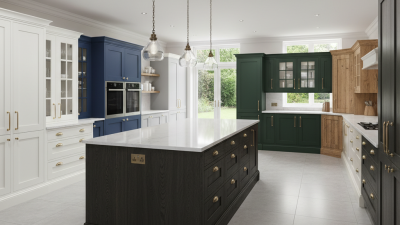
Incorporating a rustic wooden cabinet can warm up a modern kitchen. This style enhances character but may clash with sleek appliances. Conversely, a minimalist cabinet complements contemporary designs. It's vital to think about how your choice affects the space's flow and usability.
Tips: Explore open shelving for increased visibility. It keeps frequently used items accessible. Remember, an overstuffed design can feel chaotic. Choose cabinetry that balances form and function. Regularly reassess your needs; the perfect option today may not suit you tomorrow. Aim for flexibility in design to adapt to changing tastes and requirements.
Selecting Materials and Finishes for Durability and Aesthetics
When choosing a freestanding kitchen cabinet, materials and finishes play a crucial role in both durability and aesthetics. For instance, wood remains a popular choice due to its natural beauty and strength. Reports indicate that solid wood can last over 20 years if properly maintained, while engineered wood varies considerably in longevity. Engineered options can offer a more budget-friendly solution but often lack the resilience of solid wood.
Metal finishes, including stainless steel, are also gaining traction. They provide a modern look and are resistant to heat and moisture. According to the National Kitchen and Bath Association, 30% of homeowners now choose metal finishes for their kitchen improvements. It's worth noting that while metal looks sleek, it can show fingerprints and scratches more easily, necessitating more frequent cleaning.
When considering aesthetics, color and finish are essential. Light colors can make a small kitchen feel larger, while darker tones create depth. Inadequate lighting can accentuate flaws in materials. Additionally, texture matters; a smooth finish might appeal to many, but textured surfaces can hide marks better. Therefore, selecting the right materials and finishes requires a balance between style and practicality, acknowledging that some choices may not meet all needs.
Assessing Storage Needs and Organizational Features in Cabinets
When choosing a freestanding kitchen cabinet, understanding your storage needs is essential. A recent study showed that 60% of households struggle with adequate kitchen organization. Cabinets should address specific storage challenges. For example, if you frequently use pots and pans, consider cabinets with deep drawers. This can minimize the hassle of accessing items in the back. Utilizing vertical space is also crucial. Experts suggest that at least 30% of the kitchen's vertical area should be used for storage.
Organizational features are just as important. Adjustable shelves allow for customization based on your needs. According to industry reports, the average kitchen cabinet should offer at least three adjustable shelves to maximize usability. Incorporating pull-out trays can enhance accessibility, particularly for spices or canned goods. Additionally, consider cabinets with built-in dividers. These can help keep smaller items organized and easily accessible.
Reflecting on your personal habits can also inform your decision. Are you an occasional cook or an everyday chef? This can significantly impact what features you value. While many opt for sleek designs, functionality often suffers when aesthetic is prioritized. Ensure your choice balances both style and practicality. Think about how often you access items. This can guide your selection process effectively.
2026 How to Choose the Best Kitchen Freestanding Cabinet for Your Space? - Assessing Storage Needs and Organizational Features in Cabinets
| Cabinet Type |
Dimensions (W x D x H) |
Storage Capacity (Cubic Feet) |
Material |
Organizational Features |
| Open Shelving |
30 x 18 x 72 |
10 |
Wood |
Adjustable shelves, easy access |
| Cabinet with Drawers |
36 x 24 x 60 |
15 |
Plywood |
Soft-close drawers, dividers inside |
| Corner Cabinet |
24 x 24 x 72 |
12 |
MDF |
Rotating shelves, space-saving |
| Glass Door Cabinet |
32 x 16 x 72 |
11 |
Glass and Metal |
Showcase items, adjustable lighting |
| Butcher Block Cabinet |
30 x 24 x 36 |
8 |
Solid Wood |
Work surface, storage below |