10 Best Dress Up Closet Ideas for Smart Organization and Fun Styling
Creating a well-organized "Dress Up Closet" can enhance both functionality and creativity in children's lives. According to a report by the National Association of Professional Organizers, an organized space can improve productivity by up to 30%. A practical design allows kids to access their favorite outfits easily, fostering independence and self-expression.
The ideal "Dress Up Closet" isn’t just about storage; it’s about inspiration. Using color-coded bins can simplify outfit selection. Incorporating mirrors can encourage self-confidence. However, many families struggle with clutter. A cluttered space can lead to frustration and discourage creativity. Reflecting on what clothes bring joy is essential.
Overall, a thoughtfully designed "Dress Up Closet" merges organization with fun. It not only stores clothes but also tells a story and creates a playful environment. Improving the space requires continuous evaluation and adjustments. Each family's needs differ, making reflection crucial in the organizing process.
Creative Storage Solutions for Dress Up Closets
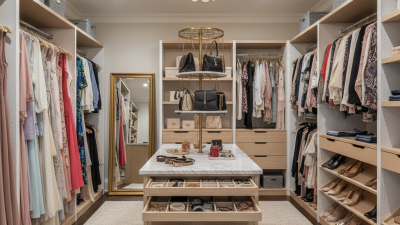
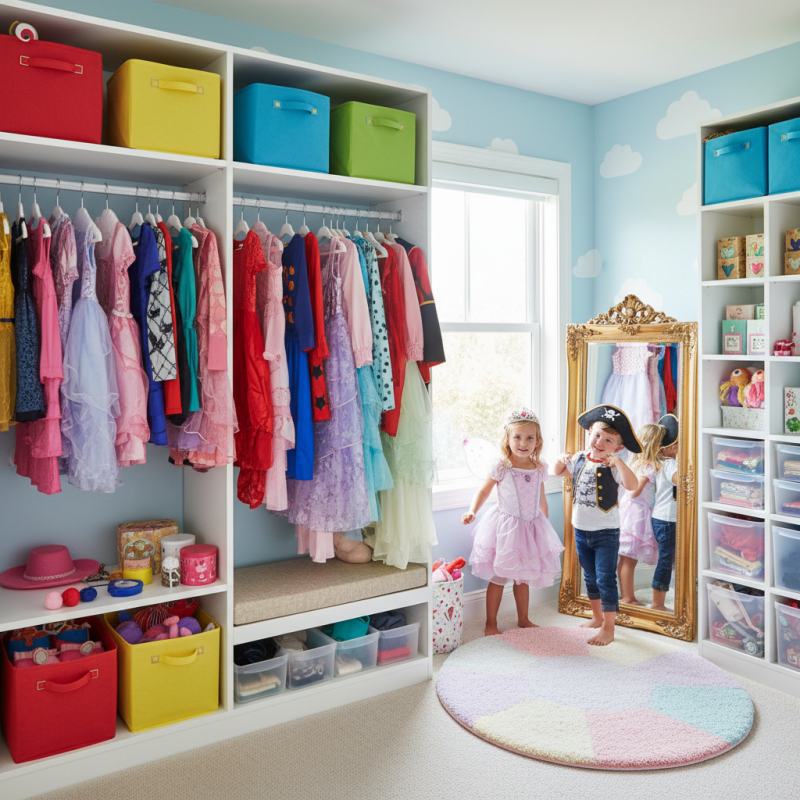
Creating a dress-up closet can be a delightful project. Smart organization is key to making the most out of the space. Consider using open shelves. They provide easy access to costumes and accessories. Color-coded bins can store smaller items like hats and props. Clear containers help keep everything visible. This way, kids can find what they need quickly.
Using hooks and pegs saves floor space. Hang hats or capes where little hands can reach. This encourages independence during playtime. However, it’s essential to regularly assess the closet’s contents. Some items may no longer spark joy. A few cozy, whimsical touches can also enhance the space, like a small mirror.
Don’t forget to involve children in the organization process. They can voice what they love or what they’ve outgrown. Sometimes, items just take up space. Letting go can be tough, but it creates room for new adventures. A well-organized closet inspires creativity. Messy or chaotic spaces can stifle imaginative play. Brighten up your dress-up area, and make it a fun escape!
10 Best Dress Up Closet Ideas for Smart Organization and Fun Styling
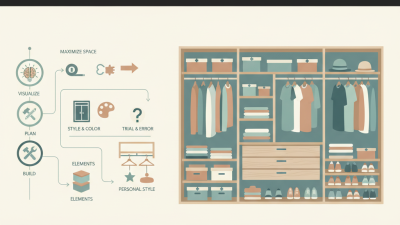
This chart illustrates the popularity of different organization ideas for dress-up closets based on a survey of parents. The data reflects the effectiveness and fun factor of each idea as rated by respondents.
Color-Coding Techniques for Easy Outfit Selection
Creating a dress-up closet can be both exciting and functional. One effective strategy is to use color-coding techniques. This not only adds visual appeal but also makes outfit selection easier. Imagine opening your closet and immediately spotting your favorite red dress or that perfect blue shirt. Organizing items by color allows for quick decisions.
When color-coding, consider grouping similar hues. For instance, place all reds together, then oranges, yellows, and so on. You might find that some sections feel chaotic. This is an opportunity for reflection on your personal style. Do you need more blues? What about that neglected green dress?
Lighting plays a crucial role. Use bright lights to enhance colors, making it easier to find outfits. Install hooks for accessories in complementary shades. This can create a harmonious look, but don’t stress if it’s not perfect. Evaluate and rearrange as needed. Adapt your closet to your evolving taste, and let the organization bring you joy.
Incorporating Fun Accessories for Imaginative Play
Creating a dress-up closet can transform playtime into a vibrant, imaginative experience. By incorporating fun accessories, children can explore different characters and roles. From capes to hats, these items are essential for cultivating creativity. According to a study by the National Association for the Education of Young Children, imaginative play enhances social skills and emotional development. Children often learn how to express feelings through role-play.
When organizing a dress-up closet, colorful bins can organize various accessories. This encourages kids to choose and create their outfits independently. A well-curated selection might include glasses, jewelry, and themed props. One might worry though: are we overloading their creativity with too many options? Research suggests that choice can sometimes overwhelm young minds.
Balancing variety and simplicity is key.
Adding textures and sounds can also amplify the play experience. Scarves that crinkle, or hats with different fabrics, enhance sensory exploration. Such details enable rich storytelling. Yet, parents might find themselves questioning if this leads to clutter. A study indicated that less clutter can improve focus. Therefore, mindful selection of accessories is essential. Embracing imperfections in organization can lead to unique stories and adventures. The goal is to create a joyful, engaging space for imaginative play.
Easy-to-Maintain Organization Systems for Kids' Closets
Creating an organized dress-up closet for kids can enhance both their playtime and daily routines. Reports show that children with well-organized spaces are more engaged and creative. A cluttered closet can lead to frustration. It’s vital to implement easy-to-maintain systems that empower kids to manage their own belongings.
Consider using clear bins for costumes. This lets kids see their options at a glance. Labeling these bins with pictures can make them more accessible. Using low-hanging rods for costumes allows little ones to reach their outfits easily. According to industry experts, kids are more likely to play when they can quickly find what they want.
Tip: Rotate costumes seasonally. This maintains excitement and allows for fresh styling. Reflecting on what outfits are played with frequently can guide what to keep accessible. Kids should still learn the importance of decluttering. Too many choices can lead to decision fatigue. Encourage them to select favorites for play while storing away the rest. Balancing accessibility and organization can be a challenge, but it leads to a more enjoyable experience for kids.
Inspiring Themes to Spark Imagination in Dress Up Closets
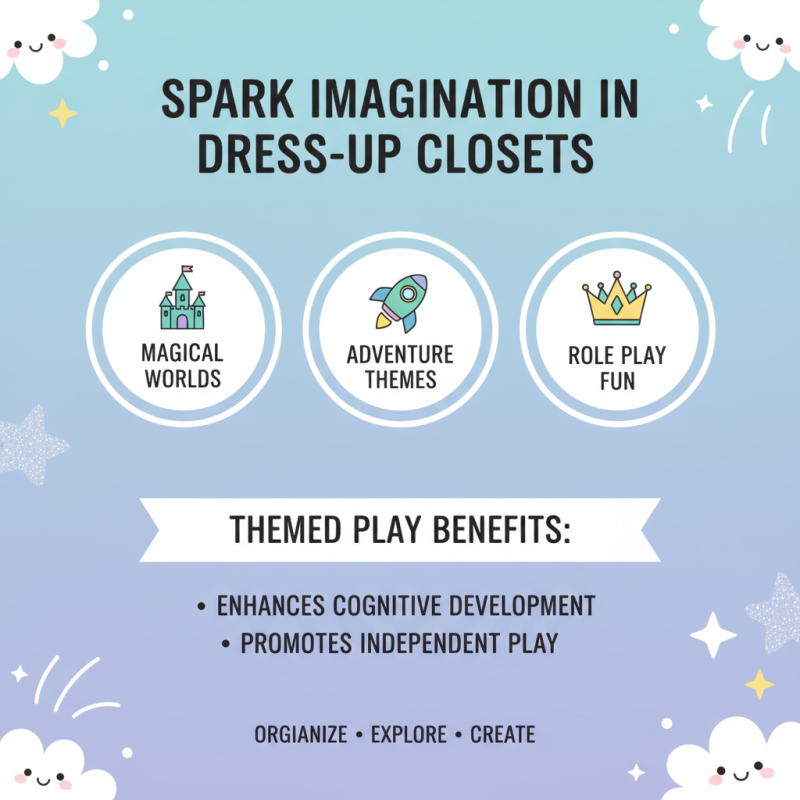
Creating a magical dress-up closet can ignite a child's imagination. Organizing this space with themes helps children explore creativity. According to industry reports, themed play can enhance cognitive development. A well-organized closet improves accessibility and encourages independent play.
Incorporating themes such as fairy tales, superheroes, or nature can inspire children during dress-up time. For instance, a fairy-tale theme may include capes, crowns, and whimsical accessories. This not only provides fun but also fosters storytelling skills. Research indicates that imaginative play improves problem-solving abilities by up to 30%. However, without proper organization, chaos can ensue. Costumes might end up in a tangled mess, discouraging kids from engaging.
Implementing clear storage for costumes and accessories is crucial. Using bins or hangers labeled by theme can make a difference. Skipping this step might lead to frustration and missed opportunities. Labels enhance visual recognition, supporting children’s learning. A balance between fun and functionality is essential for a successful dress-up space. Creativity flourishes in an organized environment, allowing kids to express themselves freely.